Graphic design
in consumer
behaviour
How graphic design is used in promotion, packaging and branding
Graphic design plays a crucial role in influencing consumer behaviour, shaping perceptions, and driving purchasing decisions. Through strategic use of visual elements, such as packaging, branding, and marketing materials, businesses can establish a strong brand identity, create emotional connections, and enhance the perceived value of their products. This document explores how graphic design affects buying behaviour, the psychological principles behind it, and how businesses can leverage design to create effective marketing strategies.
A visually appealing design can capture the attention of potential customers within seconds. Well-designed packaging, advertisements, and branding elements can make a product stand out from competitors, increasing the likelihood of engagement and purchase.
First Impressions Matter
Consistency in graphic design helps establish brand recognition. Consumers associate specific colours, logos, and typography with particular brands, fostering familiarity and trust. A strong brand identity enhances customer loyalty and ensures that a business remains memorable.
Brand Identity & Recognition
Graphic design has the power to evoke emotions and shape consumer perceptions. Colour choices, imagery, and design styles can make a product feel luxurious, exciting, or reliable. For instance, warm colours like red and orange may create urgency, while cool tones like blue convey calmness and trust.
Emotional Connection Through Design
Effective design helps communicate key product information in a clear and concise manner. A cluttered or confusing layout can overwhelm consumers, whereas an intuitive design makes it easier to understand product features, benefits, and usage instructions.
Clarity of Information
Consumers often judge a product’s value based on its visual presentation. High-quality packaging and well-designed promotional materials can make a product appear more premium, justifying a higher price point. Conversely, poor design can lead to assumptions of lower quality.
Perceived Value & Pricing Justification
An eye-catching design increases the effectiveness of promotional materials. Whether through digital ads, social media posts, or traditional print marketing, visually appealing designs encourage consumer engagement, leading to higher conversion rates.
Promotion & Advertising
Colours have an impact on human emotions and perceptions. For example, blue evokes feelings of trust and calmness, while red can create a sense of urgency and excitement. Strategically using colours, designers can evoke specific emotions and reactions from consumers, leading and guiding their behaviour and decisions.
Colour Psychology
Arrangements of elements on a page influence how information is processed. Designers can use this to lead the viewer’s eye to the most important information first. This can be achieved using size, colour, contrast, and positioning.
Visual Hierarchy
Fonts can convey different tones and personalities. For example, a playful handwritten font can make a brand feel approachable and friendly, whereas a sleek modern font can convey professionalism and sophistication. This shapes the brand’s voice and influences how the message is perceived.
Typograpgy
A principle that describes how people tend to organise visual elements into groups or unified wholes.
Gestalt Principles
Buyers are influenced to purchase a product by its look, information, and promotion. So, how does Graphic Design influences Consumer Decision:
But it’s not just about Graphic Design & Marketing Strategies. Psychology of Graphic Design Elements also shapes your entire purchase decision on a deeper level.
Ever noticed how certain products with playful handwritten fonts, vivid colours and a natural arrangement of elements can make a brand feel more approachable and friendly, compared to a sleek modern font with colours that evoke royalty, evoking quality and potentially attracting older ages.All this due to the use of psychology in Graphic Design.
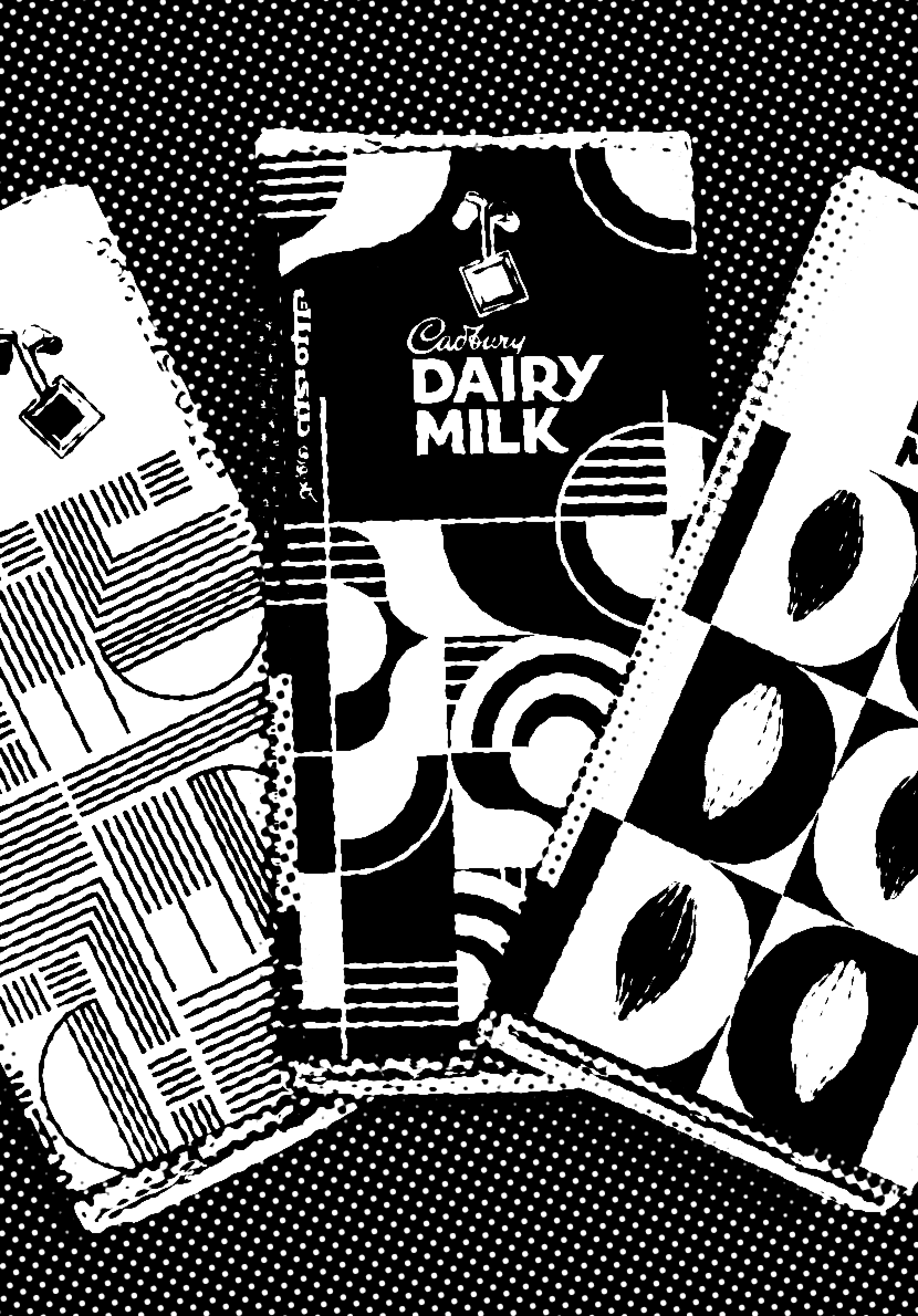
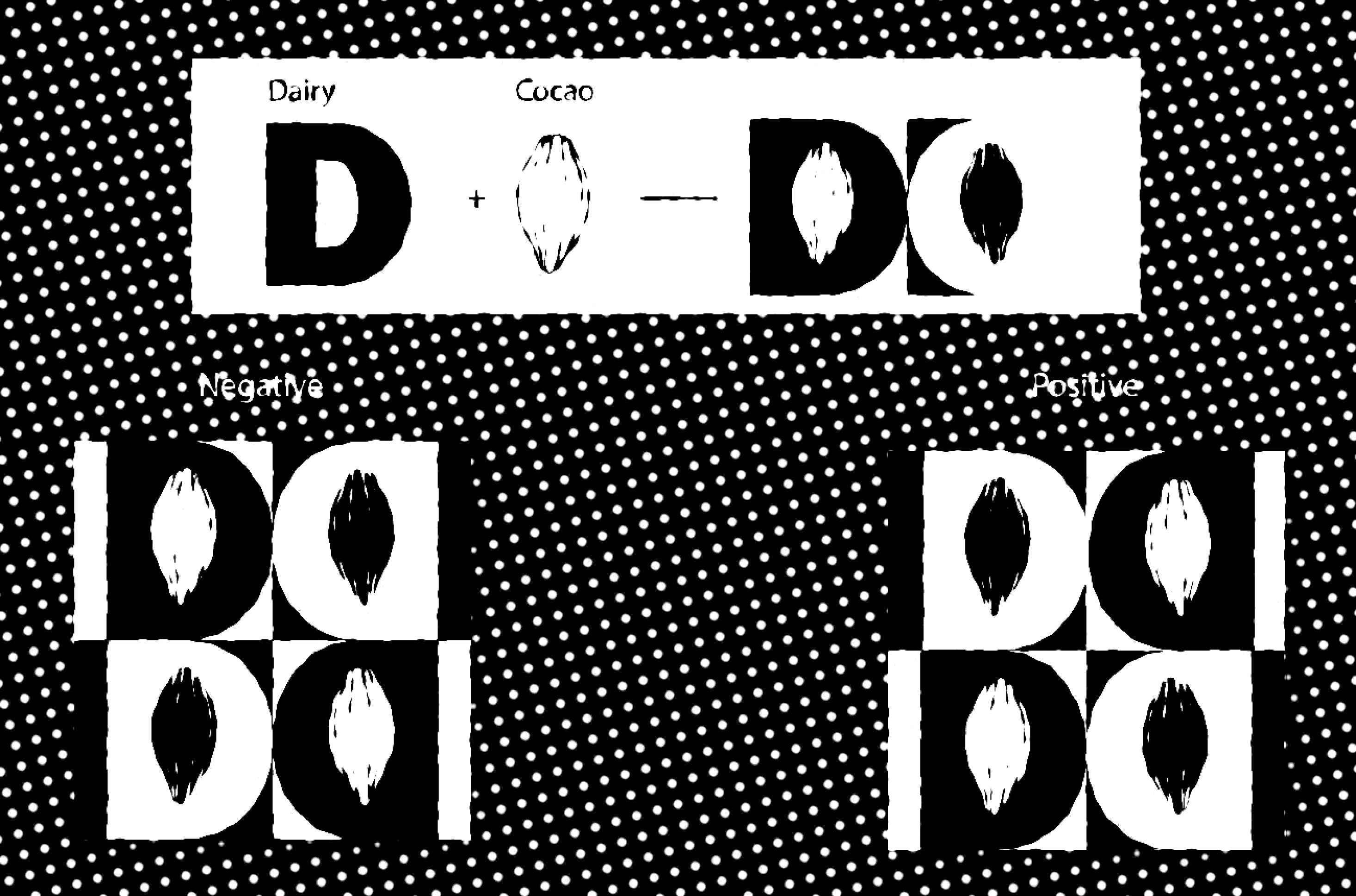
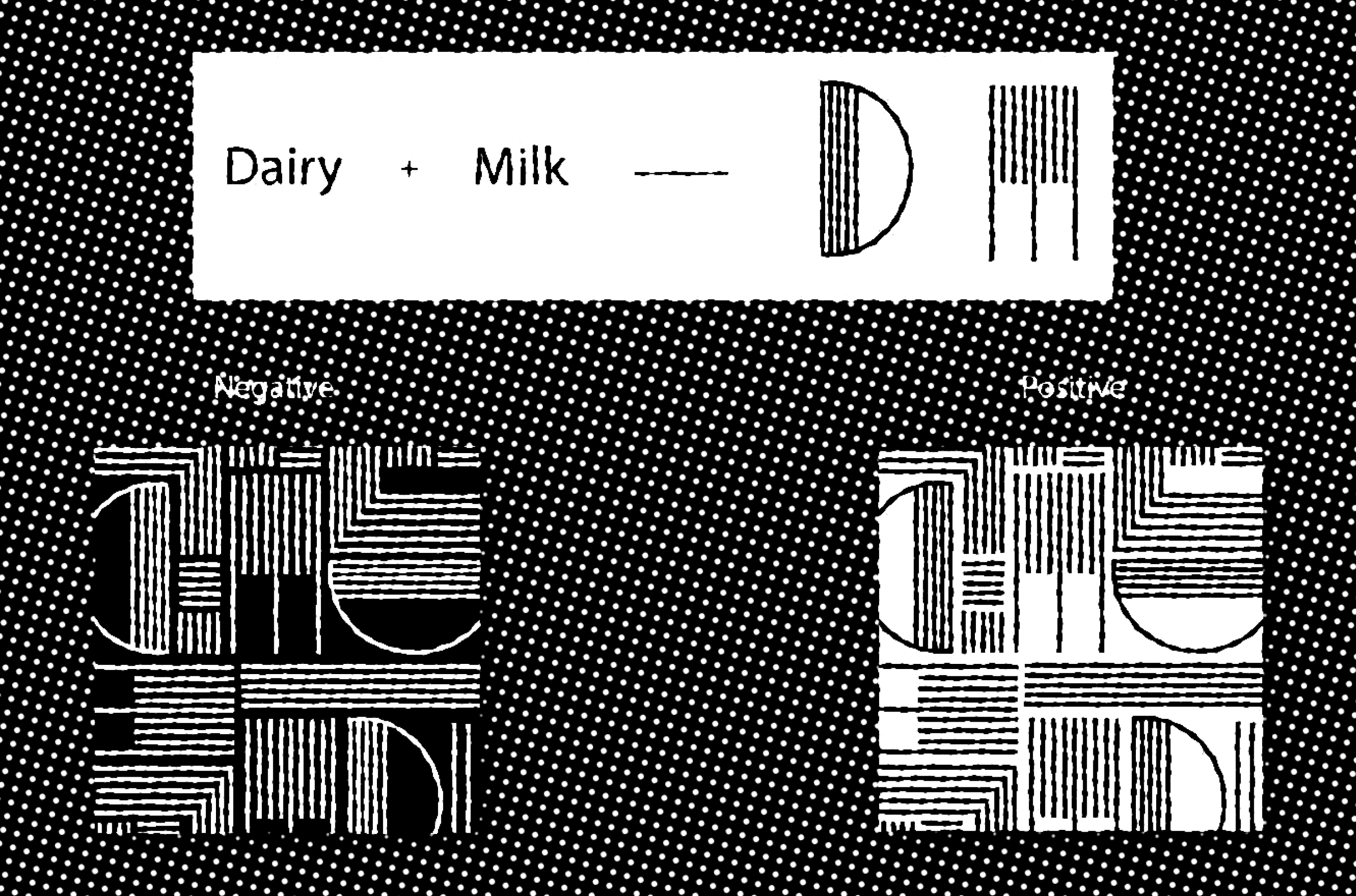
For example, brands like Cadbury chocolate have used gestalt principles in their designs, and here is why:
Gestalt Principle impacts social behaviour in design by subtly influencing how people perceive and interpret information. The principle guides the people’s attention to specific areas and encourages certain actions, essentially shaping their behaviour through visual cues and organisation with a design. It can either be a website, product or advertisement.
How does packaging effect consumer behaviour?
Packaging is crucial in shaping consumers’ perceptions of
a product’s quality. It is the first point of contact between the consumer and the product. The packaging's design, materials,and overall presentation can convey
a sense of value, authenticity and attention to detail.
Examples
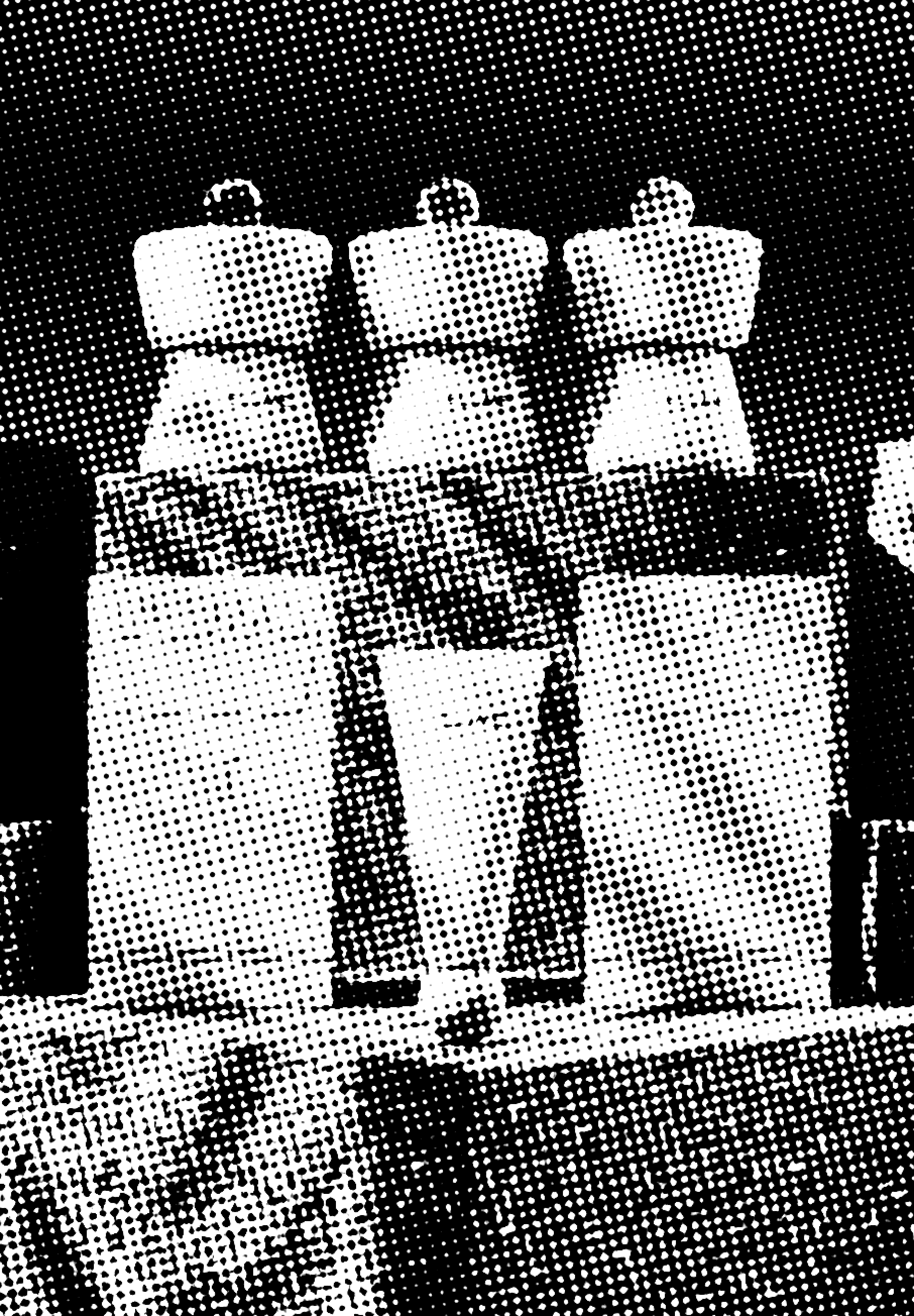
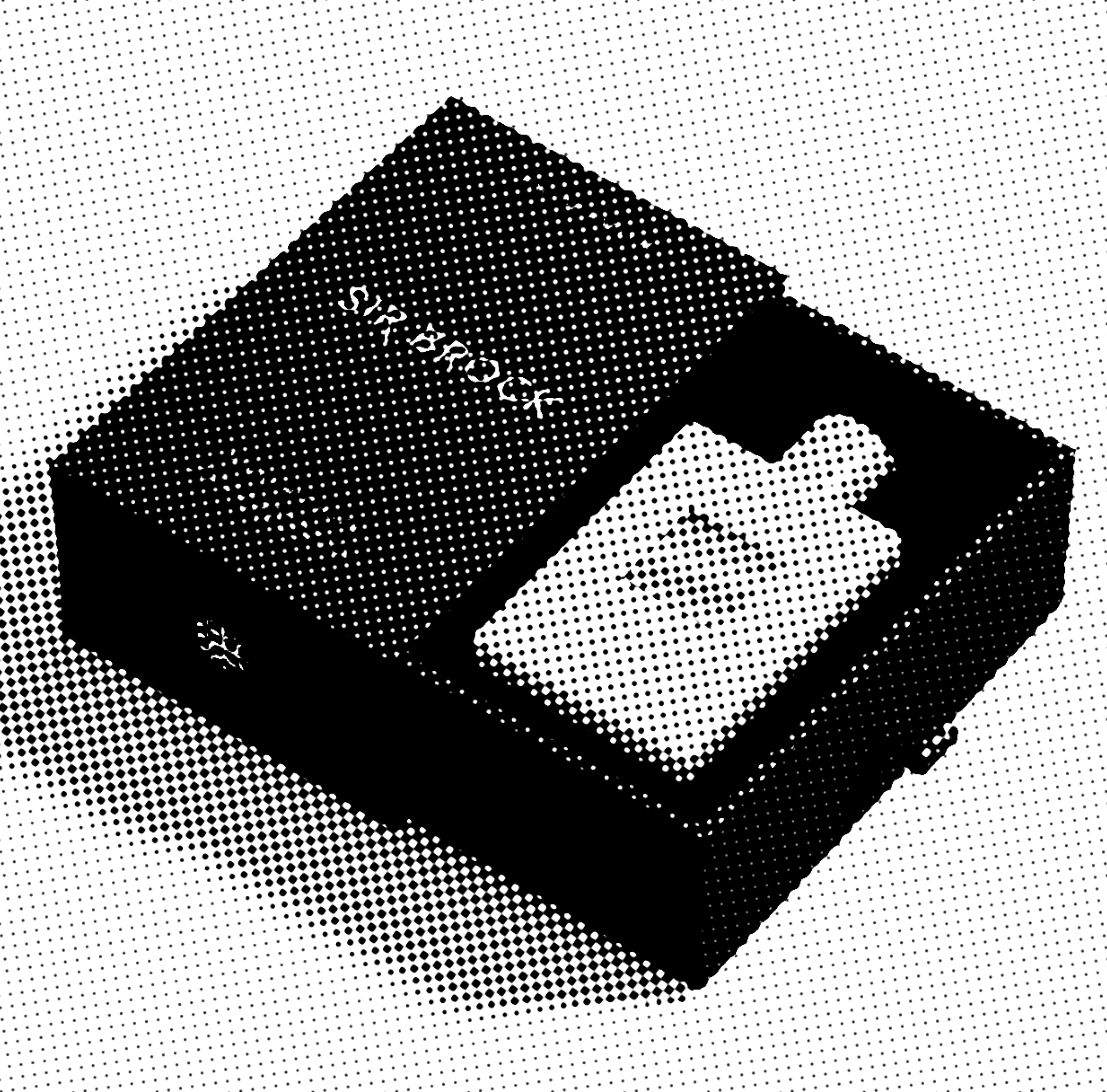
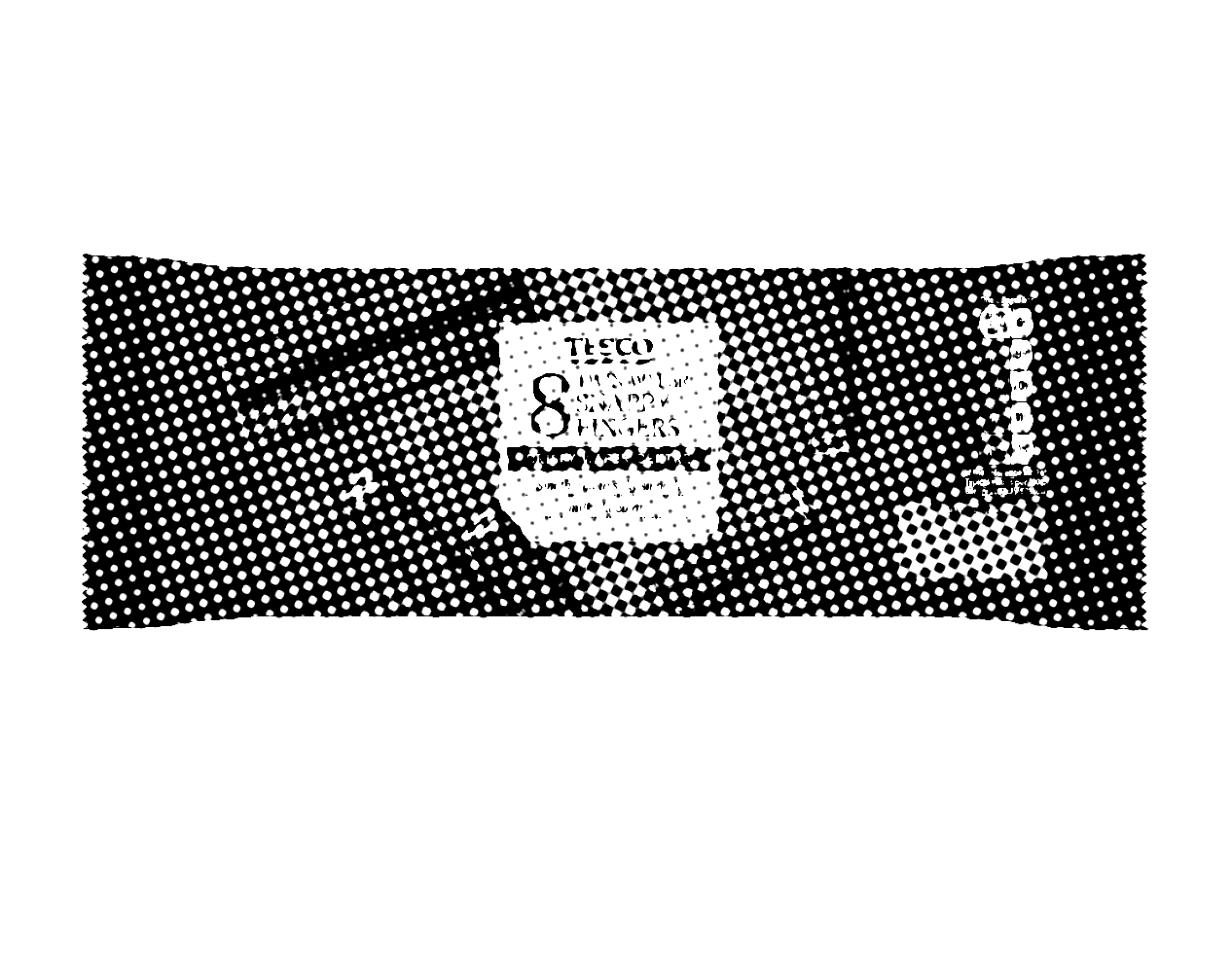
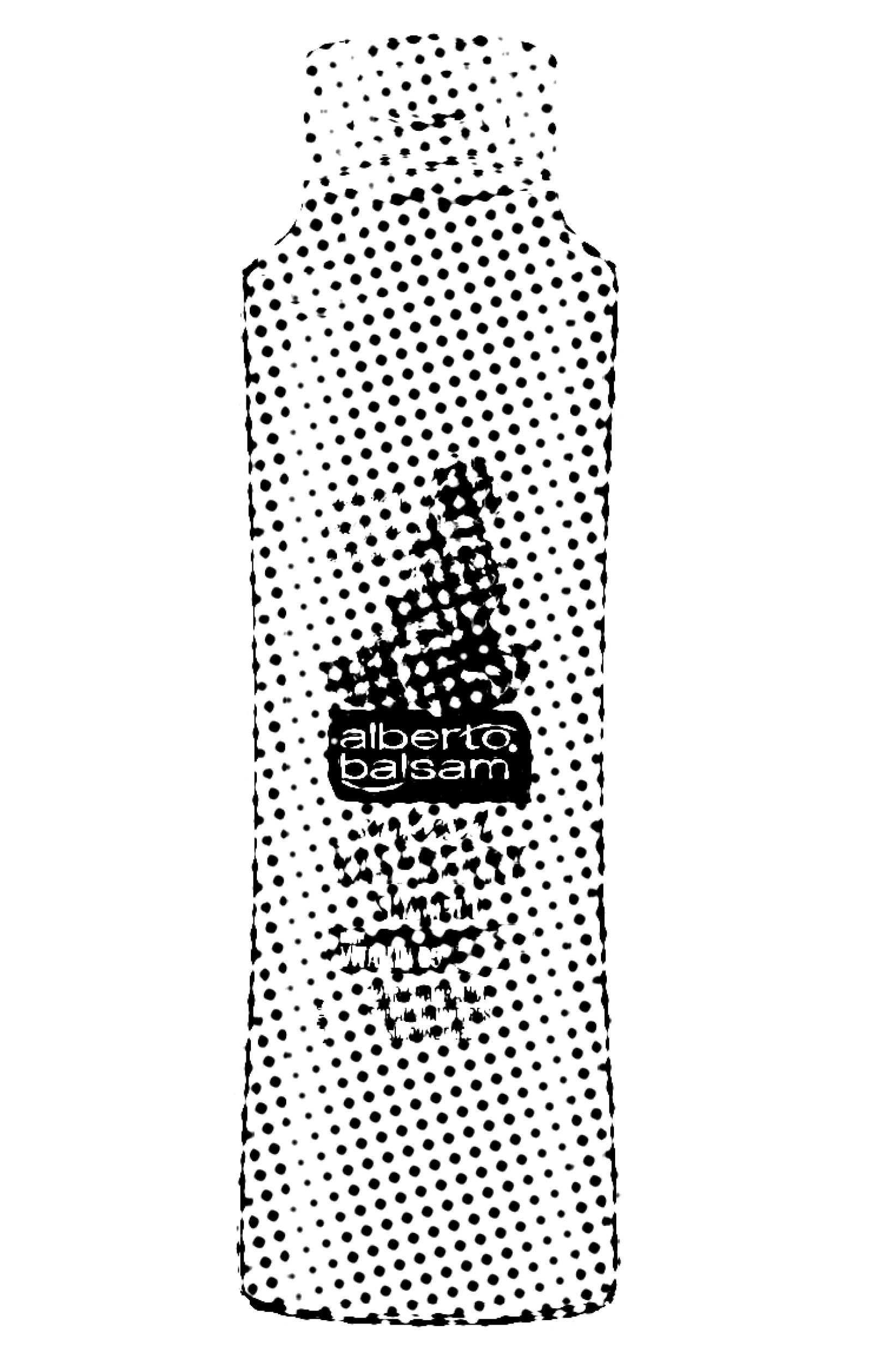
Premium materials like sturdy cardboard, embossed textures and glossy finishes suggest durability and high-quality craftsmanship.
Cheap or flimsy packaging might raise doubts about the product’s integrity.
Packaging Design
The overall design of packaging, including its shape, structure, and
layout, can evoke emotions by creating a visual identity that aligns with a brand's message. A clean and minimalist design might evoke feelings of sophistication and modernity, while a playful and whimsical design can trigger a sense of joy and light-heartedness. The design can also evoke emotions by telling a story or conveying a sense of nostalgia. For instance, a packaging design that features vintage graphics
might evoke feelings of nostalgia and warmth, appealing to consumers' sentimental side.
Packaging Design - Colours
Packaging Design - Imagery
Colours have a profound impact on human emotions and can instantly set the tone for how a product is perceived. Warm colours like redand orange can evoke feelings of excitement, passion, and energy. Cool colours like blue and green can evoke a sense of calm, trust, and serenity. The choice of colour can also convey cultural associations; for instance, red may symbolise luck and prosperity in some cultures while signifying danger in others. Brands carefully select colours to resonate with their target audience and to align with their brand's personality.
High-quality Packages
Cheap-quality Packages
Imagery, including photographs, illustrations, and graphics, plays a
vital role in evoking emotions. Imagery can create a visual narrative that
connects with consumers on a personal level. For example, an image of a
happy family enjoying a meal together on food packaging can evoke feelings
of warmth, togetherness, and nostalgia. Similarly, imagery can evoke
aspiration and desire by showcasing a lifestyle that consumers aspire to have
using a product.

Bibliography:
[1]
B, D. (2023). How Graphic Design Shapes Consumer Behavior. [online] The CEO Creative. Available at: https://theceocreative.com/graphic-design-shapes-consumer-behavior/.
Markobrando.com. (2024). Explore How Graphic Design Elements Affect Consumer Behavior and Decision-Making. [online] Available at: https://www.markobrando.com/blog/explore-how-graphic-design-elements-affect-consumer-behavior-and-decision-making.
[2]
[3]
[4]
[6]
[5]
Hobo.Video. (2021). Colour And Typography’s Effect On Consumer Behaviour. [online] Available at: https://hobo.video/blog/colour-typography-and-consumer-behaviour/.
Swiftpak. (2023). How does packaging effect consumer behaviour? [online] Available at: https://www.swiftpak.co.uk/insights/how-does-packaging-effect-consumer-behaviour.
Holmes, S. (2023). How graphic design influences buying decisions. [online] Cross Productions. Available at: https://crossproductions.co.uk/how-graphic-design-influences-buying-decisions/.
Peek, S. (2023). The 6 Principles of Influencing Consumer Decisions. [online] Business News Daily. Available at: https://www.businessnewsdaily.com/10151-how-to-influence-consumer-decisions.html.